CLOSE
MENU
Women sitting at a desk, rubbing her eyes

Dry Eye

Dry eye is increasingly common and can range from occasional symptoms of dryness to a chronic condition called dry eye disease. Approximately 150 million US adults experience occasional or frequent symptoms of dryness, with around 38 million living with dry eye disease.

Excessive tear evaporation is the #1 cause of dry eye. In some cases, dry eye occurs when the eyes don’t produce enough tears, and sometimes both factors contribute. Underlying inflammation is common across all types of dry eye and can worsen symptoms.

Dry eye can be triggered by various factors, such as:

  • Increased screen time  
  • Medications  
  • Hormonal changes 
  • Age 
  • Environment  
  • Anxiety and stress 
  • Other medical conditions 
  • Reading and/or other focused activities

While increasing age is a contributing factor, dry eye is growing among younger generations due to modern-day factors like increased digital device use, environmental stressors, anxiety and stress. 

Dry eye is increasingly common and can range from occasional symptoms of dryness to a chronic condition called dry eye disease. Approximately 150 million US adults experience occasional or frequent symptoms of dryness, with around 38 million living with dry eye disease.

Excessive tear evaporation is the No. 1 cause of dry eye. In some cases, dry eye occurs when the eyes don’t produce enough tears, and sometimes both factors contribute. Underlying inflammation is common across all types of dry eye and can worsen symptoms.

Dry eye can be triggered by various factors, such as:

  • Increased screen time  
  • Medications  
  • Hormonal changes 
  • Age 
  • Environment  
  • Anxiety and stress 
  • Other medical conditions 
  • Reading and/or other focused activities

While increasing age is a contributing factor, dry eye is growing among younger generations due to modern-day factors like increased digital device use, environmental stressors, anxiety and stress. 

Signs and Symptoms of Dry Eye

May include:

  • A scratchy or gritty feeling, as if something is in the eye
  • A dry or sandy sensation
  • Redness
  • Fluctuating vision or blurriness, especially when reading or looking at things close up
  • Tired or heavy feeling in the eyes
  • Overall eye irritation, including a stinging or burning sensation

Signs and Symptoms of Dry Eye

May include:

  • A scratchy or gritty feeling, as if something is in the eye
  • A dry or sandy sensation
  • Redness
  • Fluctuating vision or blurriness, especially when reading or looking at things close up
  • Tired or heavy feeling in the eyes
  • Overall eye irritation, including a stinging or burning sensation

Dry eye can heighten awareness of the feeling of the eye. You should not feel your eyes, but if you do, it is important to talk to your eye doctor. If dry eye symptoms are not addressed, they can become more frequent and more severe, progressing to dry eye disease, which may impact eye health, vision and daily life. A 2024 State of Dry Eye survey found that 67% of sufferers had to give up or cut back on something to relieve symptoms, most commonly screen time use.

Although there is no cure for dry eye, there are various options that can help people find relief, including over-the-counter eye drops, prescription medications and nutritional supplements.

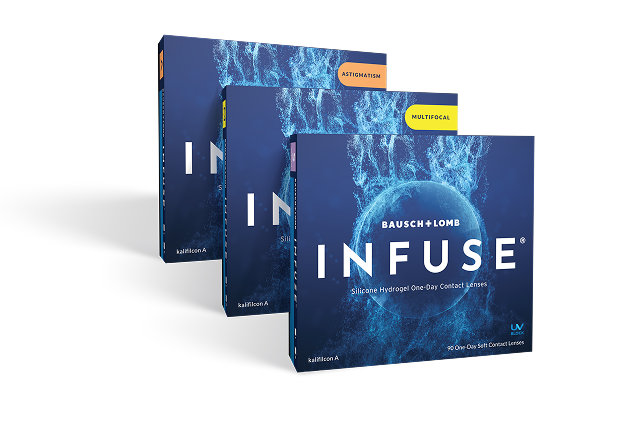
Infuse daily disposable contact lens

Bausch + Lomb INFUSE®
Daily Disposable Contact Lenses

Infuse daily disposable contact lens

Bausch + Lomb INFUSE®
Daily Disposable Contact Lenses

Diagnosing Dry Eye

Various tests and procedures are used to evaluate dry eye, including:  

  • A comprehensive eye exam 
  • Symptom questionnaire 
  • Inflammation measurement 
  • Tear volume assessment 
  • Tear quality evaluation 
  • Tear osmolarity test (to measure salt levels in tears) 
  • Analysis of tear samples for specific markers

A 2025 State of Dry Eye survey revealed that 78% of dry eye sufferers wished their eye doctors had tested them for dry eye earlier. II

Make sure to inform your eye doctor about all medications – both prescription and over-the-counter – you are taking. This information helps your doctor assess and treat the underlying condition.

Diagnosing Dry Eye

Various tests and procedures are used to evaluate dry eye, including:  

  • A comprehensive eye exam 
  • Symptom questionnaire 
  • Inflammation measurement 
  • Tear volume assessment 
  • Tear quality evaluation 
  • Tear osmolarity test (to measure salt levels in tears) 
  • Analysis of tear samples for specific markers

A 2025 State of Dry Eye survey revealed that 78% of dry eye sufferers wished their eye doctors had tested them for dry eye earlier.II

Make sure to inform your eye doctor about all medications – both prescription and over-the-counter – you are taking. This information helps your doctor assess and treat the underlying condition.

Additional Resources

Additional Resources

dryeye

Know Your Dry Eye

An educational campaign featuring personal stories and survey data that encourages people with symptoms to speak with their eye doctor to find relief.

gel

Caring for Reusable Contact Lenses

Find out how Biotrue® Hydration Plus Multi-Purpose Solution can be used to help clean and store your contacts.

apply-gel

Understanding Your Dry Eye Symptoms

Learn how to identify issues and make lifestyle changes that can help alleviate some dry eye challenges.

Everyone's Journey with Dry Eye is Different

If you believe you may have dry eye, you are not alone, talk to an eye doctor to discuss potential relief options based on your individual symptoms.

The 2025 State of Dry Eye survey also found 62% of sufferers mistakenly assume or aren’t sure if dry eye resolves itself after some treatment – including 68% of OTC users and 53% of prescription users.II

Everyone's Journey with Dry Eye is Different

If you believe you may have dry eye, you are not alone, talk to an eye doctor to discuss potential relief options based on your individual symptoms.

The 2025 State of Dry Eye survey also found 62% of sufferers mistakenly assume or aren’t sure if dry eye resolves itself after some treatment – including 68% of OTC users and 53% of prescription users.II

Treatment for Dry Eye

Dry eye is treated in a number of ways to help soothe the symptoms or address the underlying cause. The most common forms of treatment for dry eye include: 

Artificial Tears

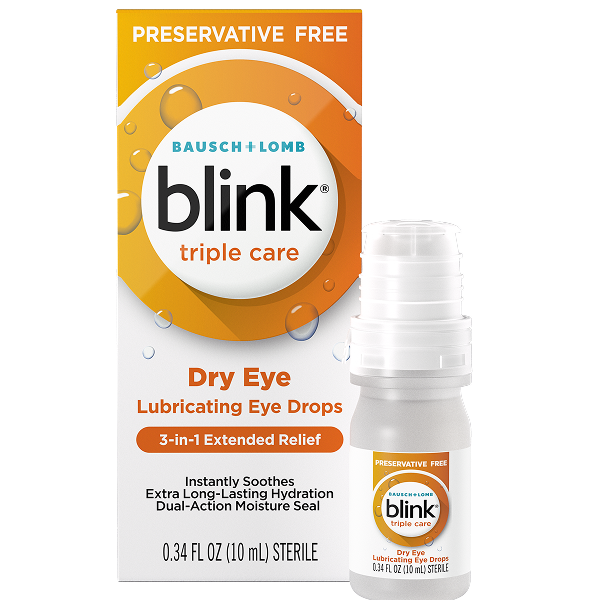
Artificial tears (lubricating eye drops) can help relieve discomfort by adding some of the same elements that your tears naturally have. Available over-the-counter.

Blink® Triple Care Preservative Free Lubricating Eye Drops

Nutritional Supplements

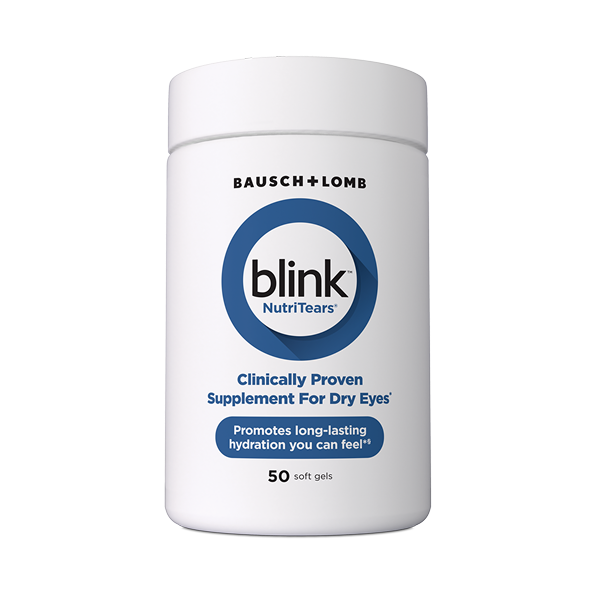
This supplement can help relieve dry eye symptoms by improving tear quality and minimizing inflammation. Available over-the-counter.

Blink Nutritears

Prescription Medications

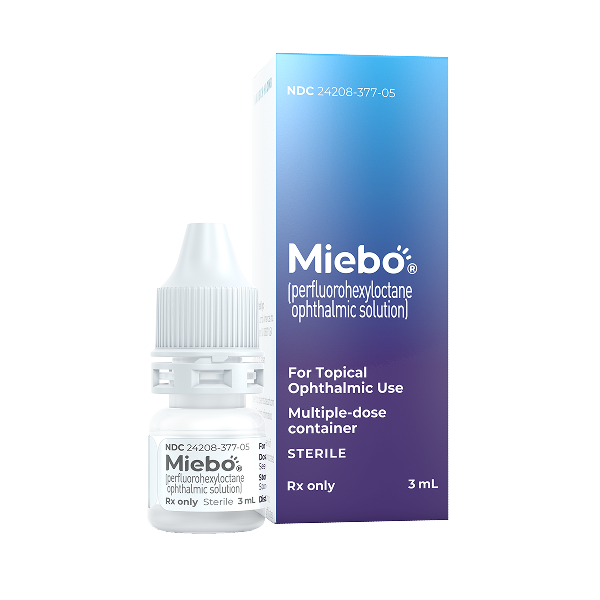
These medications reduce tear evaporation, stimulate production of natural tears or inhibit ocular surface inflammation.

Bausch + Lomb offers:

Miebo®
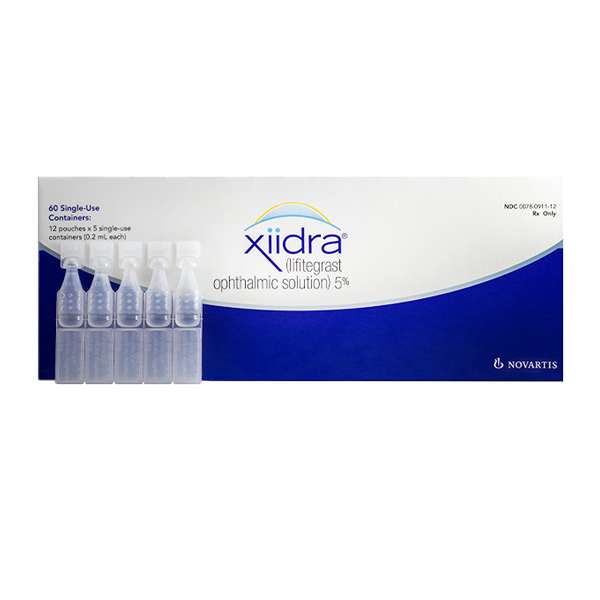
Xiidra®

Warm Compresses and Eyelid Hygiene

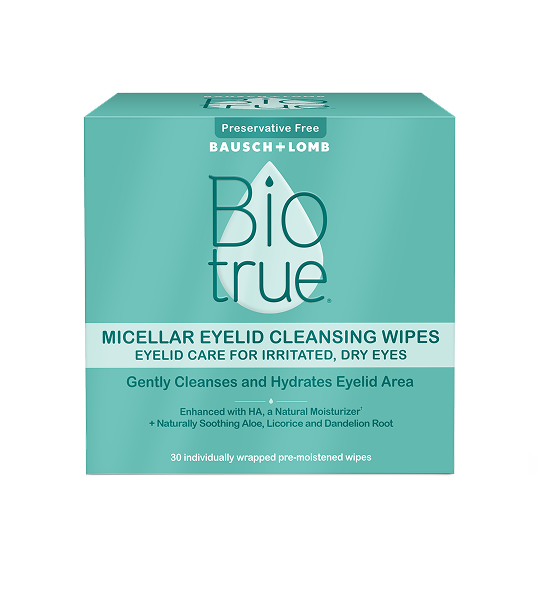
These wipes can help provide relief to dry eyes.

Biotrue® Micellar Eyelid Cleansing Wipes

Treatment for Dry Eye

Dry eye is treated in a number of ways to help soothe the symptoms or address the underlying cause. The most common forms of treatment for dry eye include: 

Artificial Tears

Artificial tears (lubricating eye drops) can help relieve discomfort by adding some of the same elements that your tears naturally have. Available over-the-counter.

Blink® Triple Care Preservative Free Lubricating Eye Drops

Nutritional Supplements

This supplement can help relieve dry eye symptoms by improving tear quality and minimizing inflammation. Available over-the-counter.

Blink Nutritears

Prescription Medications

These medications reduce tear evaporation, stimulate production of natural tears or inhibit ocular surface inflammation.

Bausch + Lomb offers:

Miebo®
Xiidra®

Warm Compresses and Eyelid Hygiene

These wipes can help provide relief to dry eyes.

Biotrue® Micellar Eyelid Cleansing Wipes

Surgical Options

Silicone or gel plugs may be inserted, or your eye doctor may recommend permanently closing the tear ducts. Both procedures are intended to conserve the natural tears your eye produces for a longer period of time.

In-Office Physical Therapies

Some therapies include meibomian gland thermal pulsation and expression or intense pulsed light (IPL).

Surgical Options

Silicone or gel plugs may be inserted, or your eye doctor may recommend permanently closing the tear ducts. Both procedures are intended to conserve the natural tears your eye produces for a longer period of time.

In-Office Physical Therapies

Some therapies include meibomian gland thermal pulsation and expression or intense pulsed light (IPL).

Dry Eye Image

FAQs: Tips and Tricks for Dry Eye

Dry Eye Image

FAQs: Tips and Tricks for Dry Eye

MIEBO® IMPORTANT SAFETY INFORMATION

Indication

MIEBO® (perfluorohexyloctane ophthalmic solution) is used to treat the signs and symptoms of dry eye disease.

Important Safety Information

  • Do not use if you are allergic to MIEBO®
  • Remove contact lenses before using MIEBO® and wait for at least 30 minutes before reinserting
  • It is important to use MIEBO® exactly as prescribed
  • It is not known if MIEBO® is safe and effective in children under the age of 18
  • In pivotal trials, the most common eye side effect seen in studies was blurred vision (1% to 3% of patients reported blurred vision and eye redness)

PDF iconClick here for full Prescribing Information for MIEBO®

You are encouraged to report negative side effects of prescription drugs to the FDA. Visit www.fda.gov/medwatchlink-out icon or call 1-800-FDA-1088.

XIIDRA® IMPORTANT SAFETY INFORMATION

Indication

Xiidra® (lifitegrast ophthalmic solution) 5% is a prescription eye drop used to treat the signs and symptoms of dry eye disease.

Important Safety Information

  • Do not use Xiidra® if you are allergic to any of its ingredients. Seek medical care immediately if you get any symptoms of an allergic reaction.
  • The most common side effects of Xiidra® include eye irritation, discomfort or blurred vision when the drops are applied to the eyes, and an unusual taste sensation.
  • To help avoid eye injury or contamination of the solution, do not touch the container tip to your eye or any surface. If you wear contact lenses, remove them before using Xiidra® and wait for at least 15 minutes before placing them back in your eyes.
  • It is not known if Xiidra® is safe and effective in children under 17 years of age.

You are encouraged to report negative side effects of prescription drugs to the FDA. Visit www.fda.gov/medwatchlink-out icon or call 1-800-FDA-1088.

For additional safety information, click here for Full Prescribing Information for XIIDRAPDF iconand Patient InformationPDF icon and discuss with your doctor.

MIEBO® IMPORTANT SAFETY INFORMATION

Indication

MIEBO® (perfluorohexyloctane ophthalmic solution) is used to treat the signs and symptoms of dry eye disease.

Important Safety Information

  • Do not use if you are allergic to MIEBO®
  • Remove contact lenses before using MIEBO® and wait for at least 30 minutes before reinserting
  • It is important to use MIEBO® exactly as prescribed
  • It is not known if MIEBO® is safe and effective in children under the age of 18
  • In pivotal trials, the most common eye side effect seen in studies was blurred vision (1% to 3% of patients reported blurred vision and eye redness)

PDF iconClick here for full Prescribing Information for MIEBO®

You are encouraged to report negative side effects of prescription drugs to the FDA. Visit www.fda.gov/medwatchlink-out icon or call 1-800-FDA-1088.

XIIDRA® IMPORTANT SAFETY INFORMATION

Indication

Xiidra® (lifitegrast ophthalmic solution) 5% is a prescription eye drop used to treat the signs and symptoms of dry eye disease.

Important Safety Information

  • Do not use Xiidra® if you are allergic to any of its ingredients. Seek medical care immediately if you get any symptoms of an allergic reaction.
  • The most common side effects of Xiidra® include eye irritation, discomfort or blurred vision when the drops are applied to the eyes, and an unusual taste sensation.
  • To help avoid eye injury or contamination of the solution, do not touch the container tip to your eye or any surface. If you wear contact lenses, remove them before using Xiidra® and wait for at least 15 minutes before placing them back in your eyes.
  • It is not known if Xiidra® is safe and effective in children under 17 years of age.

You are encouraged to report negative side effects of prescription drugs to the FDA. Visit www.fda.gov/medwatchlink-out icon or call 1-800-FDA-1088.

For additional safety information, click here for Full Prescribing InformationPDF iconand Patient Information PDF iconand discuss with your doctor.

The 2024 State of Dry Eye Harris Poll surveyed 2003 U.S. adults on their understanding of, and experiences with, dry eye. Of those, 461 disclosed that they often/always experience eye dryness and/or have been diagnosed with dry eye disease (referred to as “sufferers”) and 1542 non-sufferers. “Respondents” or “Americans” refers to all 2003 survey participants. 78% of dry eye sufferers strongly or somewhat agreed with the statement that they wished their eye doctor had tested them for dry eye earlier.

Results from a 36-investigator multisite study of Bausch + Lomb kalifilcon A contact lenses, on 398 current silicone hydrogel lens wearers. After 7 days of wear, subjects completed an online survey that rated performance across a range of attributes.

IIThe 2025 State of Dry Eye Harris Poll surveyed 732 U.S. adults aged 18 or older who identified as “sufferers of dry eye” (defined as those who often/always experience eye dryness and/or have been diagnosed by a healthcare professional with dry eye disease) on their experiences with dry eye and relief options. Of those 347 disclosed taking only an over-the-counter product and 385 disclosed taking a prescription medication for their dry eye. 62% of sufferers weren’t sure or falsely believed that dry eye resolves itself after some treatment – including 68% of OTC users and 53% of Rx users.

Based on an in-home usage study, March 2021.

#Based on an in-home use test, March 2025.

**Based on a clinical study of 158 patients over 30 days, comparing the safety and efficacy of Blink® Triple Care with a non-lipid eye drop.

††Based on an in-home use test of Blink® Triple Care, March 2025. 

The 2024 State of Dry Eye Harris Poll surveyed 2003 U.S. adults on their understanding of, and experiences with, dry eye. Of those, 461 disclosed that they often/always experience eye dryness and/or have been diagnosed with dry eye disease (referred to as “sufferers”) and 1542 non-sufferers. “Respondents” or “Americans” refers to all 2003 survey participants. 78% of dry eye sufferers strongly or somewhat agreed with the statement that they wished their eye doctor had tested them for dry eye earlier.
Results from a 36-investigator multisite study of Bausch + Lomb kalifilcon A contact lenses, on 398 current silicone hydrogel lens wearers. After 7 days of wear, subjects completed an online survey that rated performance across a range of attributes.
IIThe 2025 State of Dry Eye Harris Poll surveyed 732 U.S. adults aged 18 or older who identified as “sufferers of dry eye” (defined as those who often/always experience eye dryness and/or have been diagnosed by a healthcare professional with dry eye disease) on their experiences with dry eye and relief options. Of those 347 disclosed taking only an over-the-counter product and 385 disclosed taking a prescription medication for their dry eye. 62% of sufferers weren’t sure or falsely believed that dry eye resolves itself after some treatment – including 68% of OTC users and 53% of Rx users.
Based on an in-home usage study, March 2021.
#Based on an in-home use test, March 2025.
**Based on a clinical study of 158 patients over 30 days, comparing the safety and efficacy of Blink® Triple Care with a non-lipid eye drop.
††Based on an in-home use test of Blink® Triple Care, March 2025.